
Cutting Through the Noise on Men's Health Supplements
The supplement aisle is overwhelming — bold promises, flashy labels, and very little clarity. Our editorial team has reviewed the clinical evidence so you can make informed decisions about natural vitamins, minerals, and capsules that genuinely support male energy, endurance, and overall vitality.

The information on this site is for educational purposes only and does not constitute medical advice. Always consult a qualified healthcare professional before making health decisions.
Why This Topic Matters for Men
Understanding what goes into your body starts with understanding what the research actually says — not what the marketing department wants you to believe.
Evidence First
Every ingredient we discuss is cross-referenced with peer-reviewed nutritional research, not influencer anecdotes.
Safety Focused
We flag potential interactions, dosage concerns, and ingredients that may carry unnecessary risks — especially for long-term use.
Natural Ingredients
Our editorial focus covers plant-based extracts, essential vitamins, and minerals that have genuine roles in men's health maintenance.
Transparent Review
Our methodology is published openly — you can see exactly how we score and rank supplement categories on our methodology page.
What Your Body Actually Absorbs — and What Gets Wasted
Bioavailability — the degree to which your body absorbs and uses an ingested nutrient — varies dramatically between supplement forms. A capsule listing 500mg of magnesium may deliver only a fraction of that to your cells depending on the compound used. Magnesium oxide, for example, has significantly lower bioavailability than magnesium glycinate, yet both may appear identically on a label.
Natural capsules for strength and energy often combine fat-soluble vitamins like D3 and K2. These must be taken with dietary fat to absorb properly — something many men overlook. Understanding delivery mechanisms is not optional knowledge; it's foundational to getting any real benefit from a supplement routine.
Our editorial team breaks down the differences between chelated minerals, liposomal vitamins, and standard compound forms so you can read a label with genuine comprehension — not guesswork.
Read Our Full MethodologyTop 6 Supplement Categories Ranked by Clinical Evidence
These categories represent the most researched areas of men's nutritional supplementation. Rankings reflect the strength of existing peer-reviewed literature, not sales figures.
Vitamin D3 & K2 Complex
Vitamin D3 deficiency is widespread in tropical climates due to indoor lifestyles. Combined with K2, it supports bone density, immune balance, and overall energy regulation in adult men. Multiple large-scale studies confirm meaningful impact on well-being when deficiency is corrected.
Learn moreMagnesium (Glycinate/Malate)
Magnesium plays a role in over 300 enzymatic processes in the human body. For men focused on endurance and physical performance, adequate magnesium intake supports muscle recovery, sleep quality, and energy metabolism. Chelated forms outperform oxide compounds in absorption studies.
Learn moreAshwagandha (KSM-66)
This adaptogenic root extract has become one of the most studied natural supplements for men's vitality and stress adaptation. The KSM-66 standardized extract, in particular, has been examined in multiple placebo-controlled trials showing improvements in perceived energy, endurance capacity, and stress resilience over 8–12 week periods.
Learn moreOmega-3 Fatty Acids (EPA/DHA)
Omega-3s remain among the most extensively studied nutrients in modern medicine. For men, adequate EPA and DHA intake is associated with cardiovascular support, reduced inflammatory markers, and cognitive clarity. Quality matters enormously — triglyceride form products consistently outperform ethyl ester versions in absorption studies.
Learn moreZinc & B-Vitamin Complex
Zinc deficiency is common among active men who sweat frequently. As a cofactor in hundreds of enzymes and a contributor to normal energy metabolism, zinc supplementation can meaningfully support immunity and physical vitality when dietary intake falls short. Pairing it with B-vitamins helps optimize cellular energy pathways.
Learn moreProbiotics & Gut Health Blends
Emerging gut-brain and gut-muscle research underscores why digestive health has become a core pillar of men's supplementation. Multi-strain probiotic formulas can improve nutrient absorption from food and other supplements, reduce bloating, and contribute to more stable energy levels throughout the day — making them a smart foundational investment.
Learn moreHow to Evaluate Any Supplement Before You Try It
Following a consistent evaluation process protects you from wasted spending and potential health risks. Here is the editorial framework our team uses when reviewing every new product category.
Check the Active Ingredient Form — Not Just the Name
The ingredient name on a label tells you very little without knowing its chemical form. Magnesium oxide and magnesium glycinate are both "magnesium," but they behave very differently in the body. Always research the specific compound listed, not just the category name. Reputable manufacturers clearly disclose forms like "D3 (cholecalciferol)" rather than simply "Vitamin D."
Verify Dosage Against Established Reference Values
Many products use "fairy dust" dosing — listing an ingredient prominently but including such a small amount that it has no physiological effect. Cross-reference the milligrams per serving against the doses used in published clinical trials. For example, ashwagandha studies showing meaningful results typically use 300–600mg of standardized extract daily. Less may simply be ineffective.
Look for Third-Party Testing or Transparent Manufacturing
Without independent testing, a label is essentially a self-reported claim. Products that carry testing seals from independent labs have been verified to contain what they list, at the stated amounts, without dangerous contaminants. While not every quality supplement carries a certification, brands that voluntarily pursue them demonstrate a higher commitment to transparency.
Assess Proprietary Blend Transparency
A "proprietary blend" listing a total weight without individual ingredient breakdowns is a significant red flag. Manufacturers use this to hide underdosed ingredients while still listing impressive-sounding names. Prioritize products that fully disclose every ingredient amount. This single criterion alone will eliminate the majority of low-quality products from consideration.
Consult a Healthcare Professional Before Starting
Even natural vitamins and minerals can interact with existing conditions or medications. Before adding any new supplement to your routine — especially higher-dose formulas or combination products — discuss it with a qualified healthcare provider who knows your personal health profile. This step is non-negotiable for men with any existing health considerations.
Myths Debunked — What Men Get Wrong About Supplements
Our editorial team addresses the most persistent misconceptions surrounding natural vitamins, mineral supplements, and energy capsules for men.
"Herbal supplements are completely safe because they're natural."
This is one of the most damaging myths in the supplement space. Natural origin does not equal safety. Many potent plant compounds can cause liver stress in high doses, interact with medications, or be contraindicated for specific health conditions. "Natural" describes a source, not a risk profile. Always read the full ingredient list and check interaction databases.
"More vitamins always means better health."
Fat-soluble vitamins — A, D, E, and K — accumulate in body tissue and can reach toxic levels with excessive supplementation. Even water-soluble vitamins like B6 have upper tolerable intake levels above which neurological side effects have been documented. Supplementation should correct a deficit, not maximize intake for its own sake.
"Protein supplements build muscle on their own."
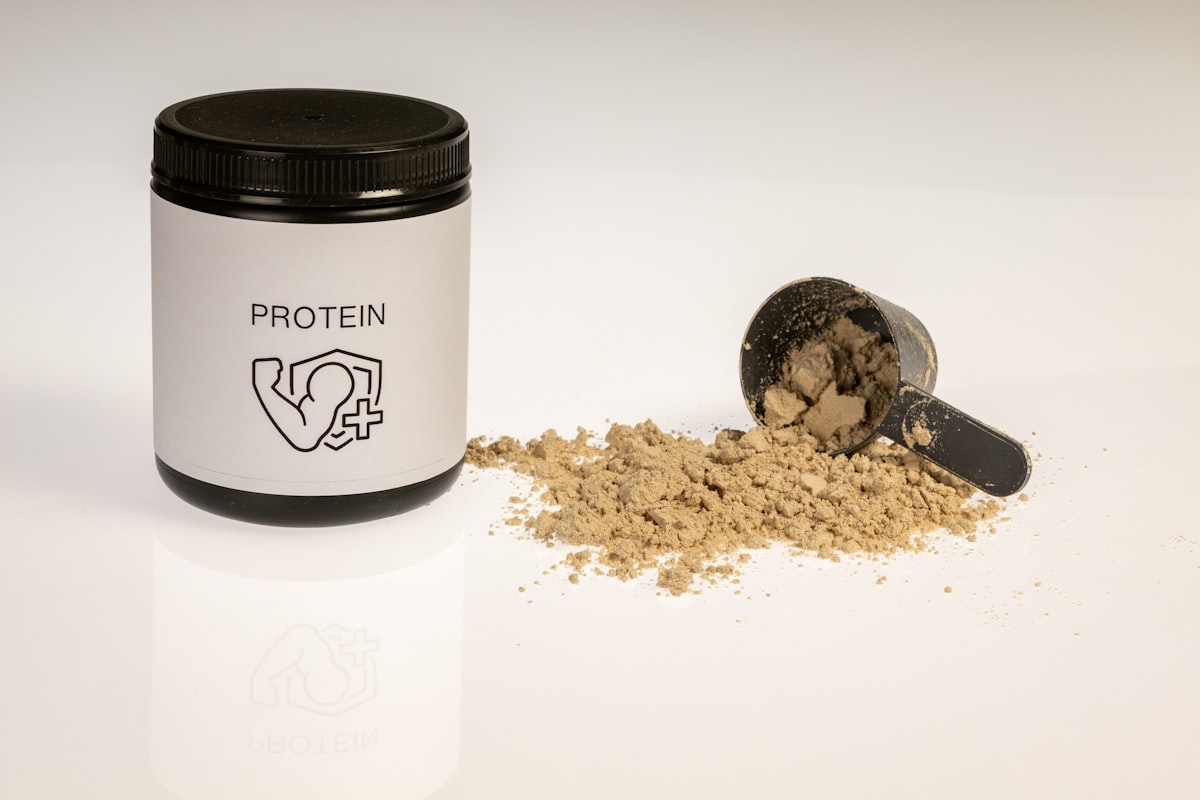
Protein powders are a convenient dietary tool, not a physiological shortcut. Muscle synthesis requires an adequate training stimulus, sufficient caloric intake, sleep, and recovery. A protein supplement simply makes hitting daily protein targets easier — it does not trigger muscle growth independently. Men who add protein powder without adequate training will primarily be adding calories to their diet.
"If a supplement worked for my friend, it will work for me."
Individual biochemistry, gut microbiome composition, baseline nutrient status, genetics, and lifestyle all influence how a person responds to supplementation. What significantly improves one man's energy levels may have negligible effect on another. Personalized assessment — ideally with bloodwork — is the only way to know which supplements your specific body might benefit from.
"Energy-boosting capsules eliminate the need for sleep."
No supplement replaces the restorative function of sleep. Adaptogens like rhodiola and ashwagandha can blunt perceived fatigue and support stress response, but they operate at the margins of a well-functioning lifestyle — they do not compensate for chronic sleep deprivation. Men using energy supplements as a substitute for sleep are addressing a symptom while worsening the root cause.
"Expensive supplements are always higher quality."
Price is a poor proxy for quality in the supplement industry. Premium packaging, celebrity endorsements, and aggressive marketing campaigns inflate retail prices without improving the underlying formula. Some of the most well-studied and effective supplements — magnesium glycinate, zinc bisglycinate, vitamin D3 — are inexpensive to produce when you strip away the branding overhead. What matters is bioavailability, dosage accuracy, and manufacturing standards (look for NSF or USP certification), not the price tag or the influencer promoting it.
"You only need supplements if you eat poorly."
Even men with balanced, whole-food diets can have gaps. Soil nutrient depletion over the past 50 years has lowered the mineral content of produce. Sun avoidance and indoor lifestyles limit vitamin D synthesis. Stress depletes magnesium faster than diet can replenish it. Intense training creates micronutrient demand that food alone struggles to meet. Targeted supplementation fills the gaps that modern life creates — regardless of how clean your diet is.